 2015-11-12
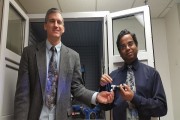
Most Christmas lights, televisions and flashlights have one thing in common: they’re made with light emitting diodes (LEDs). LEDs are widely used for a variety of applications and have been a popular, more efficient alternative to fluorescent and incandescent bulbs for the past few decades. Two University of Utah researchers have now found a way to create LEDs from food and beverage waste. In addition to utilizing food and beverage waste that would otherwise decompose and be of no use, this development can also reduce potentially harmful waste from LEDs generally made from toxic elements.
Continue reading →

 2015-11-12


