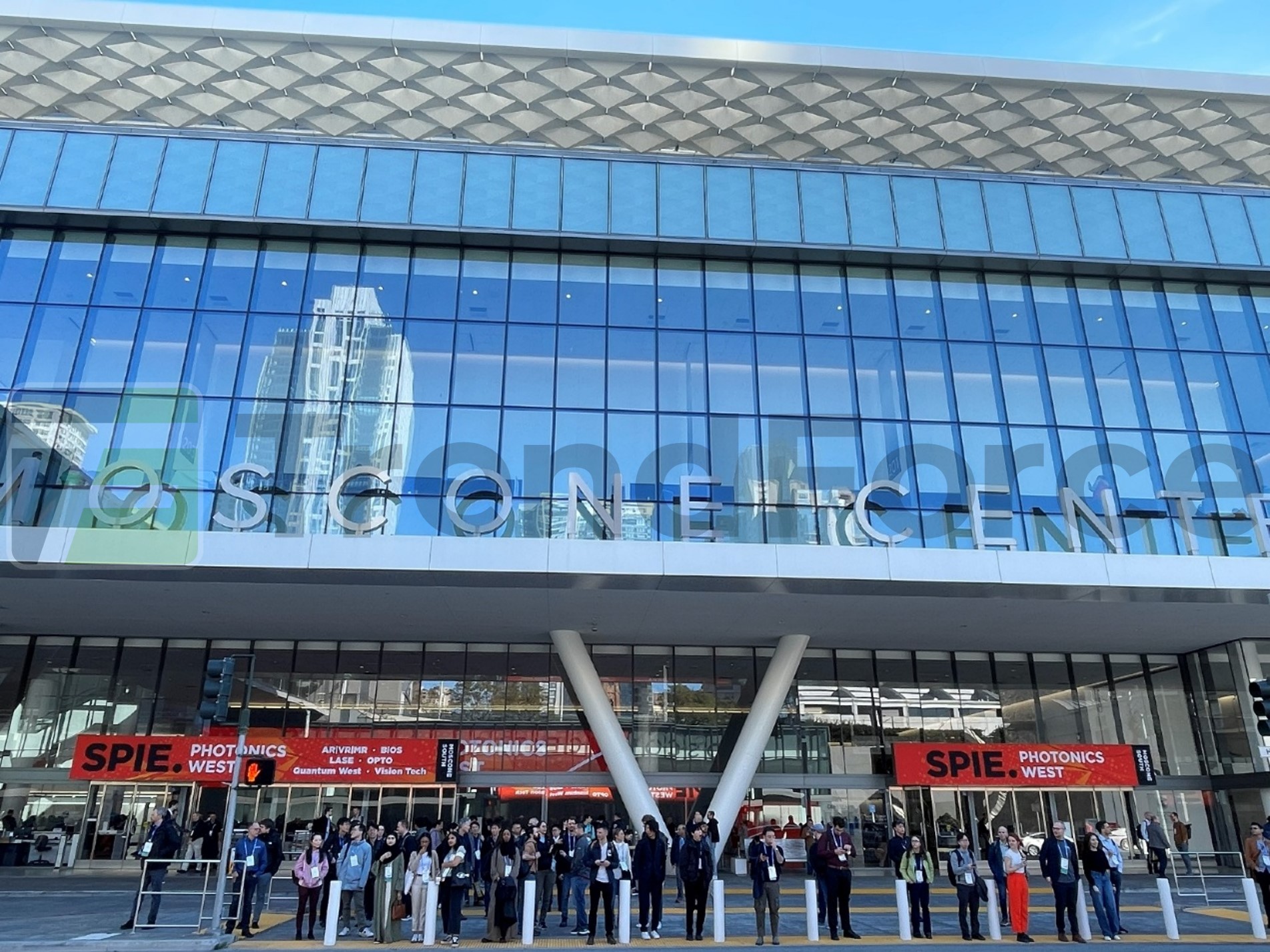
SPIE Photonics West 2026, the world’s largest annual event for the optics and photonics industry, took place from 17-22 January in San Francisco. The exhibition features a wide array of topics, including BiOS, LASE, OPTO, Quantum West, AR | VR | MR. Advanced technologies and applications, such as lasers, biomedical optics, quantum technology, and AR / VR / MR, were demonstrated.
Topic One: UV LED vs. SWIR LED
Violumas
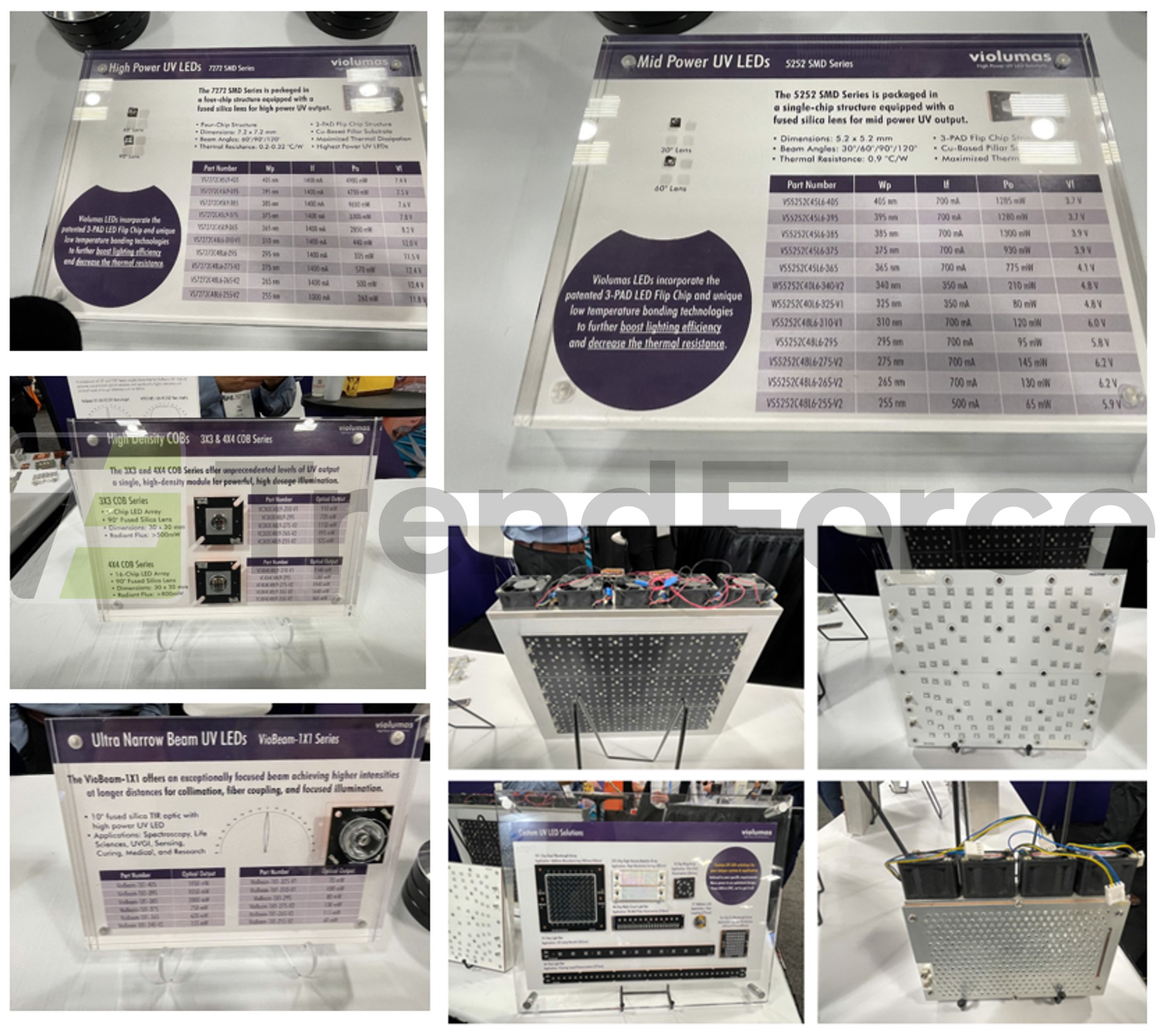
The market demand for UV LEDs is growing steadily across various applications, including curing, solar simulators, life sciences, bioanalysis, spectroscopy, medical technology, surface disinfection, and flowing water sterilization. Therefore, Violumas offers 5252 UV LEDs (single chip) and 7272 UV LEDs (four chips) covering a comprehensive wavelength range of 255-405nm.
The 255-275nm 5252 UV LEDs with optical power ranging from 65-145mW are marking a significant milestone once again in the UV-C LED industry. In addition, in response to medical market needs, the company's 340nm 210mW UV-A LEDs have consistently attracted market attention in 2026. Violumas has also developed 7272 UV LEDs (four chips) with beam angles of 60°, 90°, and 120° and 3×3 / 4×4 COB LEDs. Additionally, an ultra-narrow beam 10° high power UV LED covering the wavelength range of UV-A, UV-B, and UV-C is fully prepared for collimation, focused illumination, and fiber coupling applications.
To enhance customized value-added services, Violumas delivers module solutions for applications including curing, additive manufacturing, surface disinfection, and flowing water sterilization.
AGC
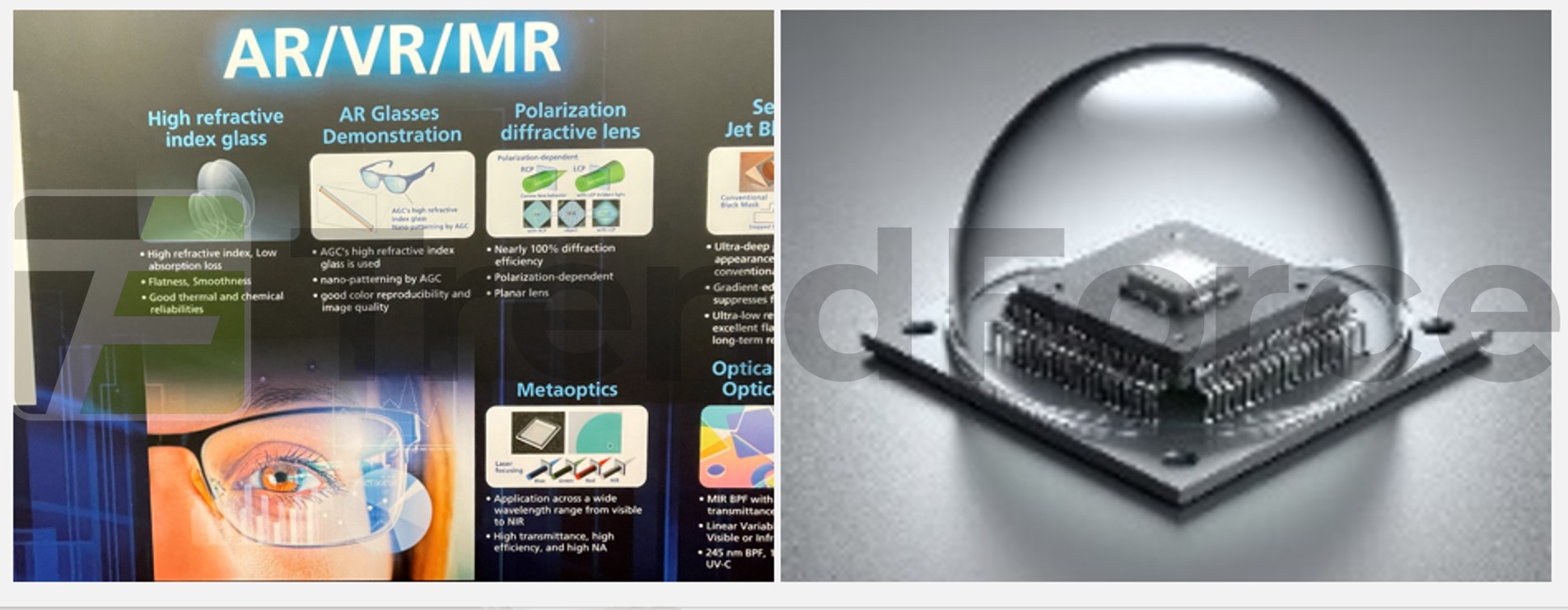
AGC enhances immersive AR experiences for consumers by increasing the refractive index of glass to 1.8-2.1 and expanding the diffraction grating area.
The glass dome cover is under development, with the following features: (1) DUV wavelength compatibility, (2) highly symmetrical round shape, (3) suitable for use as a device cover, and (4) good flatness and smoothness. When used as an LED cover, its deeper shape can cover up to the side of the LED, thereby increasing the optical power.
Sumitomo Chemical
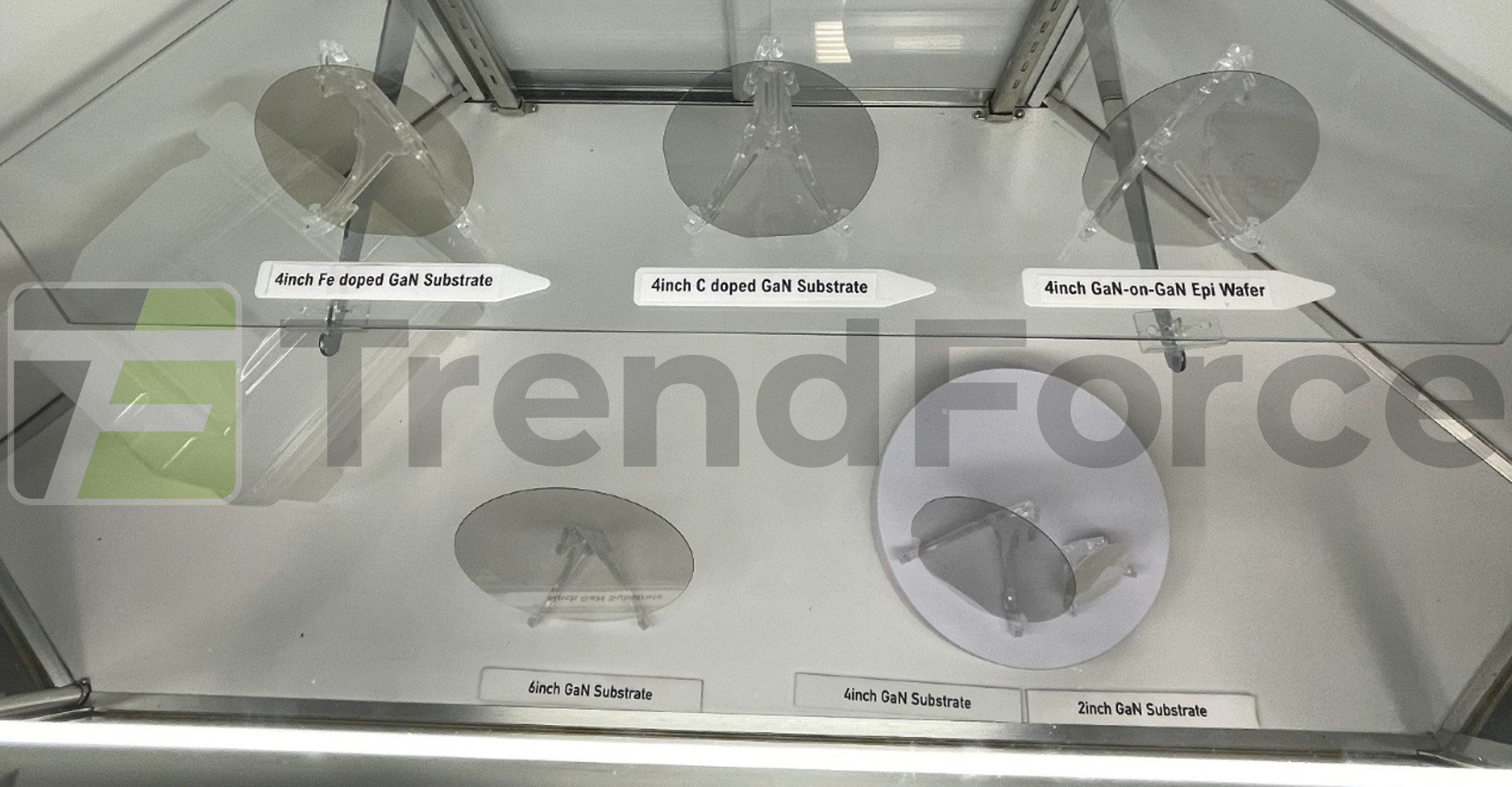
Sumitomo Chemical offers a variety of GaN substrates; iron (Fe) and carbon doped substrates can be used for radar communications. In addition, germanium (Ge) doped substrates can be used for blue lasers and power devices.
GaN-on-GaN epi-wafers enable higher voltage power devices. GaAs / InP epi-wafers can be used for LEDs, VCSELs, EELs, and the currently most promising optical communications markets.
Topic Two: LiDAR Components vs. RGB Lasers
ams OSRAM
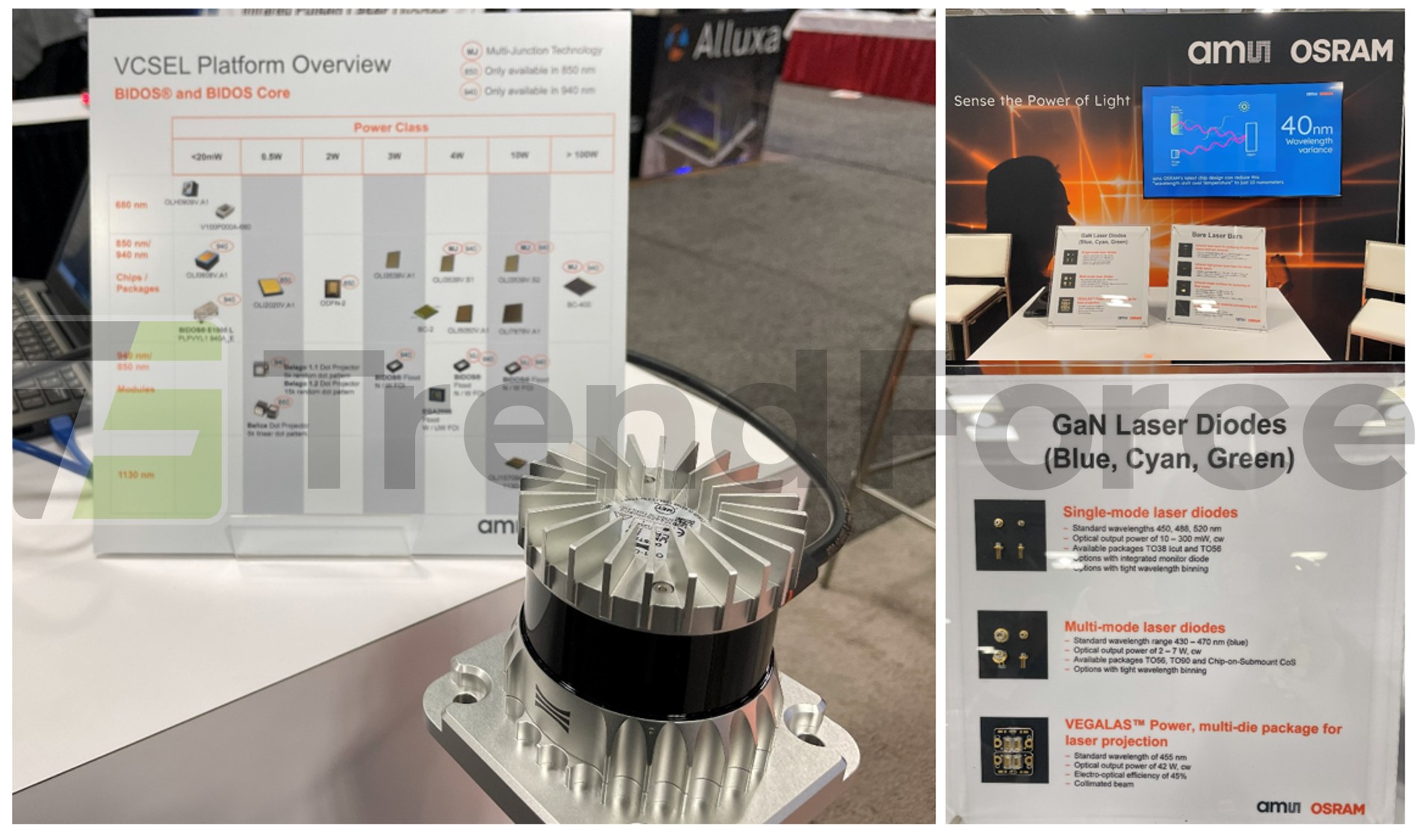
LiDAR: ams OSRAM launched an 8-channel LiDAR laser, the SPL S8L91A_3 A01. Engineered with innovative chip design, this product features an output power increased to 1,000W (320A, 10.8V) and a whopping efficiency of 30%. In addition to package products, laser chips can be made into laser bars for LiDAR module makers, allowing for more flexible design. In addition, ams OSRAM has introduced its high-power VCSEL products with an output of more than 100W to LiDAR companies such as Ouster.
Projectors: Vegalas achieves a high optical output of 42W within short pulses at a standard wavelength of 455nm with collimator lens, resulting in a WPE of 45%.
Lumotive
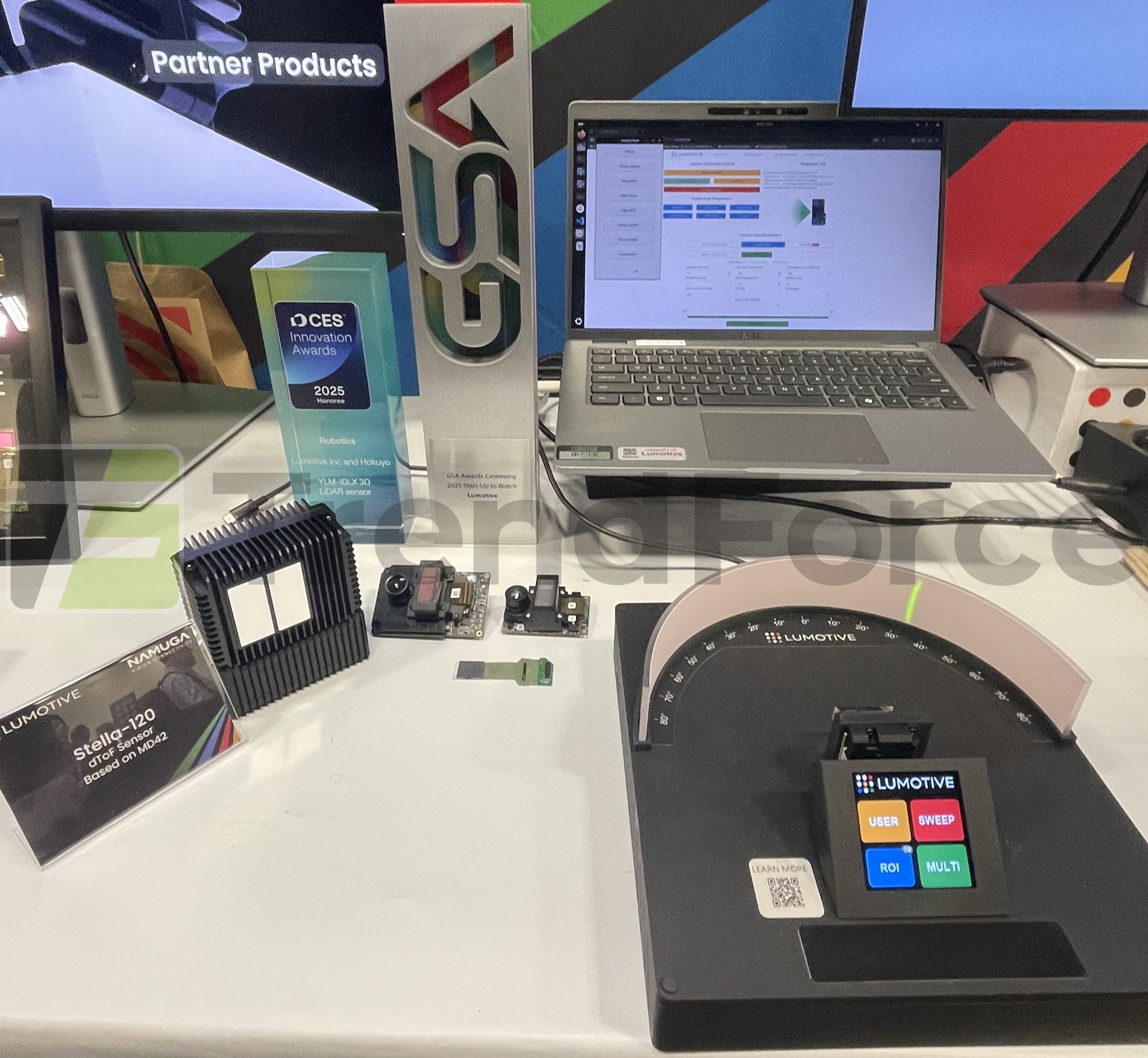
Lumotive is a leading solid-state, programmable, adaptive beam steering technology company enabling the next-generation of 3D sensing. Their LCM (Light Control Metasurface) technology requires no moving parts and is based on standard CMOS chip fabrication and LCoS assembly. LCM beam steering can deliver industry’s widest field of view of over 180º with software-configurable scan ROI’s (Region of Interests), distance ranges, resolution and frame rates to address a broad range of 3D sensing / LiDAR use cases. Lumotive’s LCM chip products and reference designs have been adopted by many OEM’s and LiDAR makers, and are expanding deployments rapidly and globally. The company has won many CES Innovation Awards and GSA’s Start-Up to Watch Award in 2025.
Nichia
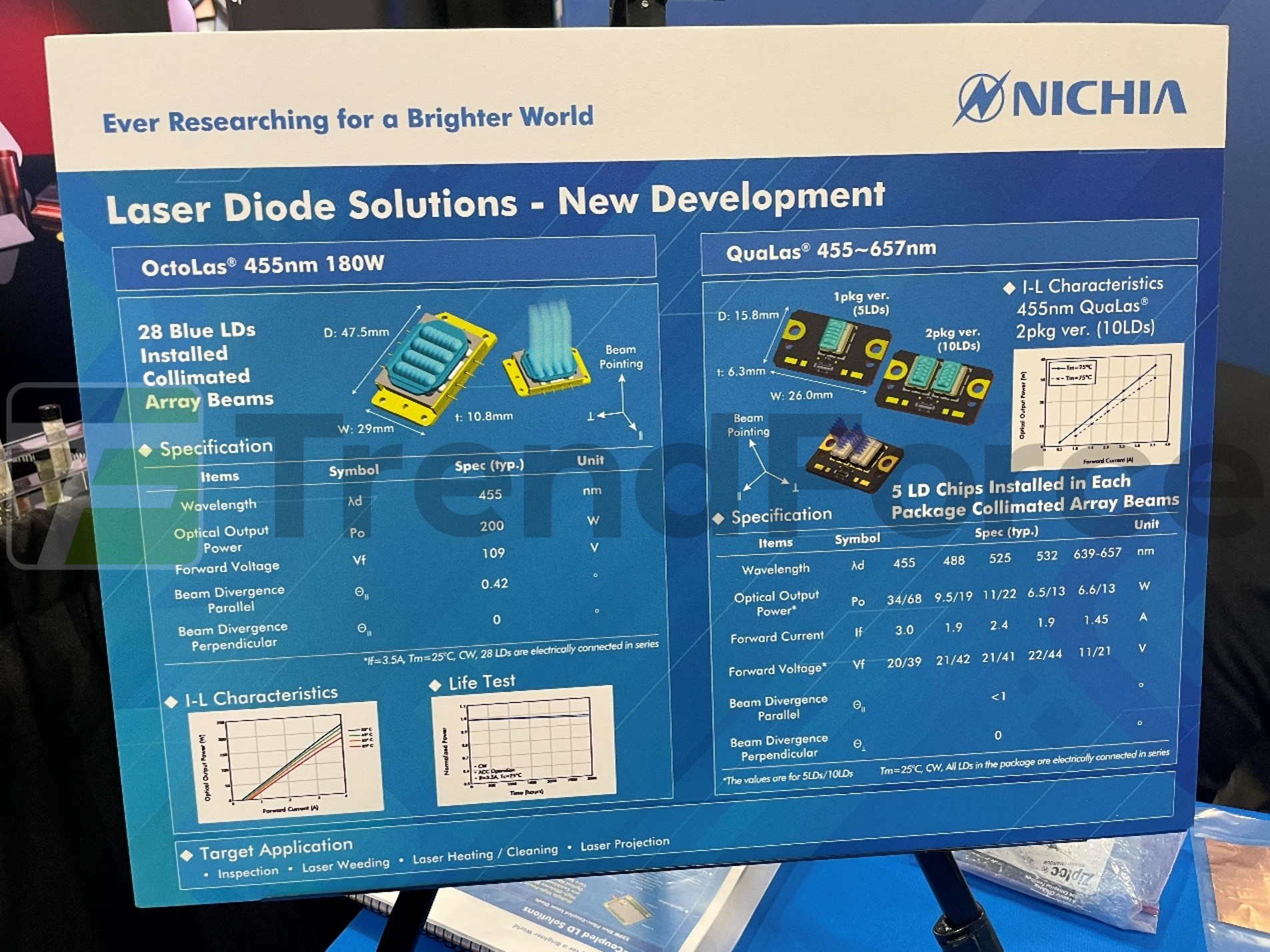
Nichia manufactures its own RGB laser diodes, packages, and modules. OctoLas is used in the ≥ANSI 10,000 lm cinema projector market; QuaLas is used in the ≤ANSI 10,000 lm commercial / home projector market.
Topic Three: Near-Eye Display vs. Eye Tracking
AAC Technologies / Dispelix
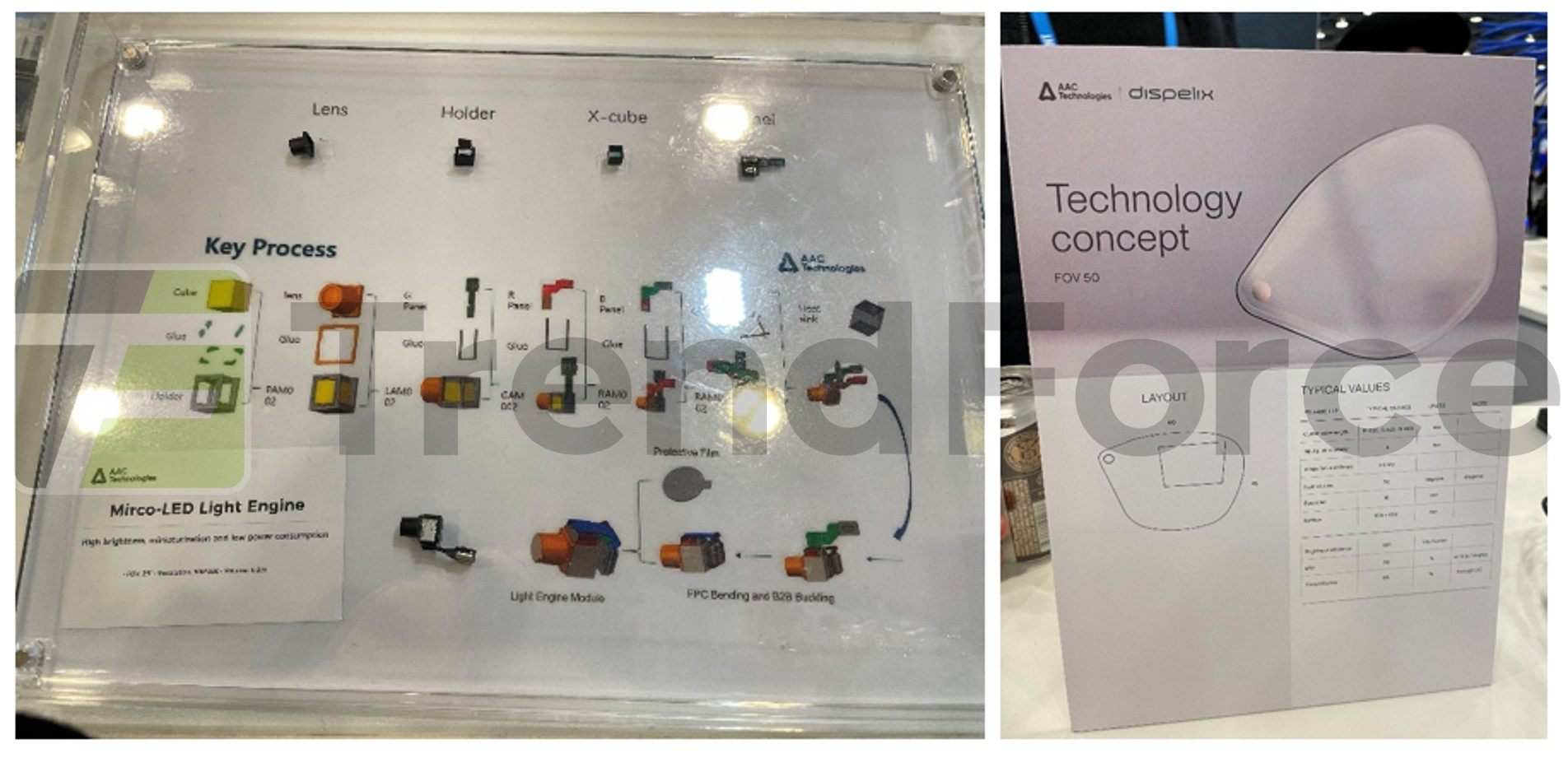
AAC Technologies' acquisition of Dispelix successfully expanded its waveguide manufacturing capabilities, enabling it to transition from a purely foundry model to one where it can design and manufacture entirely in-house. The company showcased light engines, hybrid camera lenses, and modules suitable for AR glasses, positioning itself as an all-in-one supplier in the AR glasses optics field.
Goeroptics
Goeroptics products have successfully entered the North American brand supply chain. Their SiC waveguides, providing 50º FoV and high transmittance for the overall optical module, impressed the audience.
Hongshi
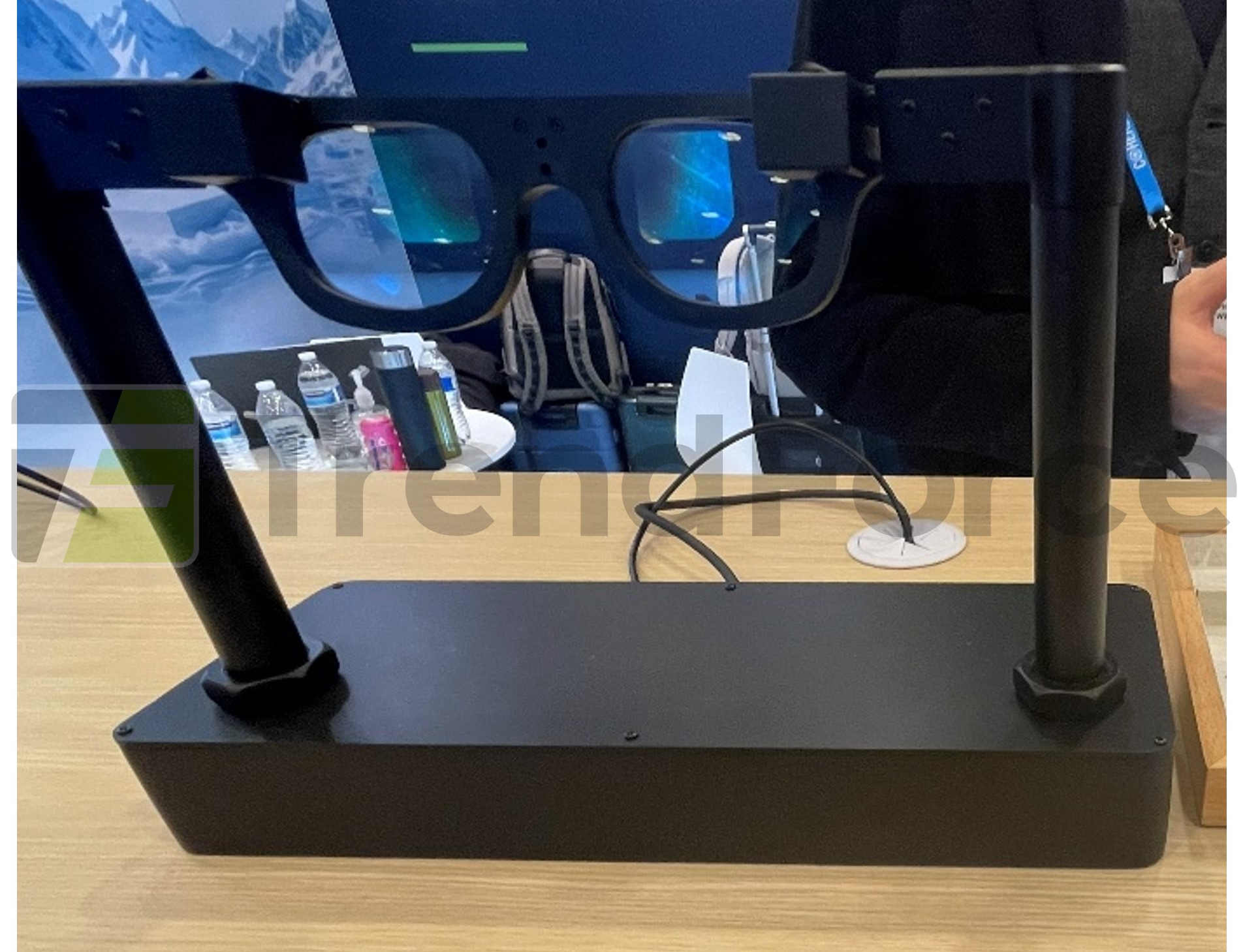
Hongshi Mono-Green product has been successfully implemented in the Lenovo V1, with Meta-Bounds providing the OEM solution.
The Aurora XC6 RGB color light engine, with a volume of 0.35cc, boasts a brightness exceeding 2.5 M nits. While achieving ultra-high brightness, it also achieves a luminous efficacy of 8 lm/W, effectively balancing brightness and power consumption.
EV Group
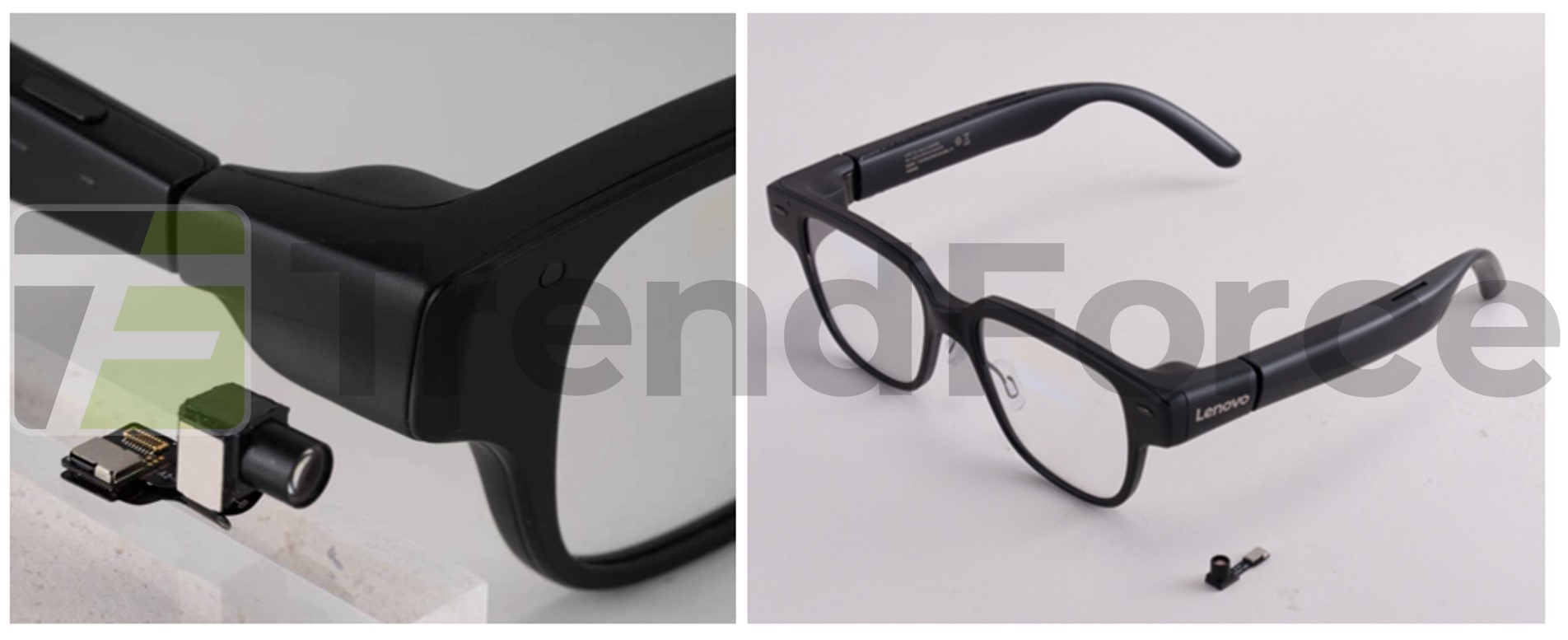
In response to the diffractive waveguide market, EV Group offers not only nanoimprint lithography equipment but also maskless exposure equipment to meet customer needs. The LITHOSCALE XT combines maskless exposure (MLE) technology with real-time digital processing to achieve high-resolution, high-throughput (five times the output of the previous generation LITHOSCALE) and zero-consumable rapid exposure. The system supports up to 300mm wafer double-sided calibration and dynamic autofocus to ensure uniform and accurate patterns, offering excellent scalability and low ownership costs.
Instrument Systems
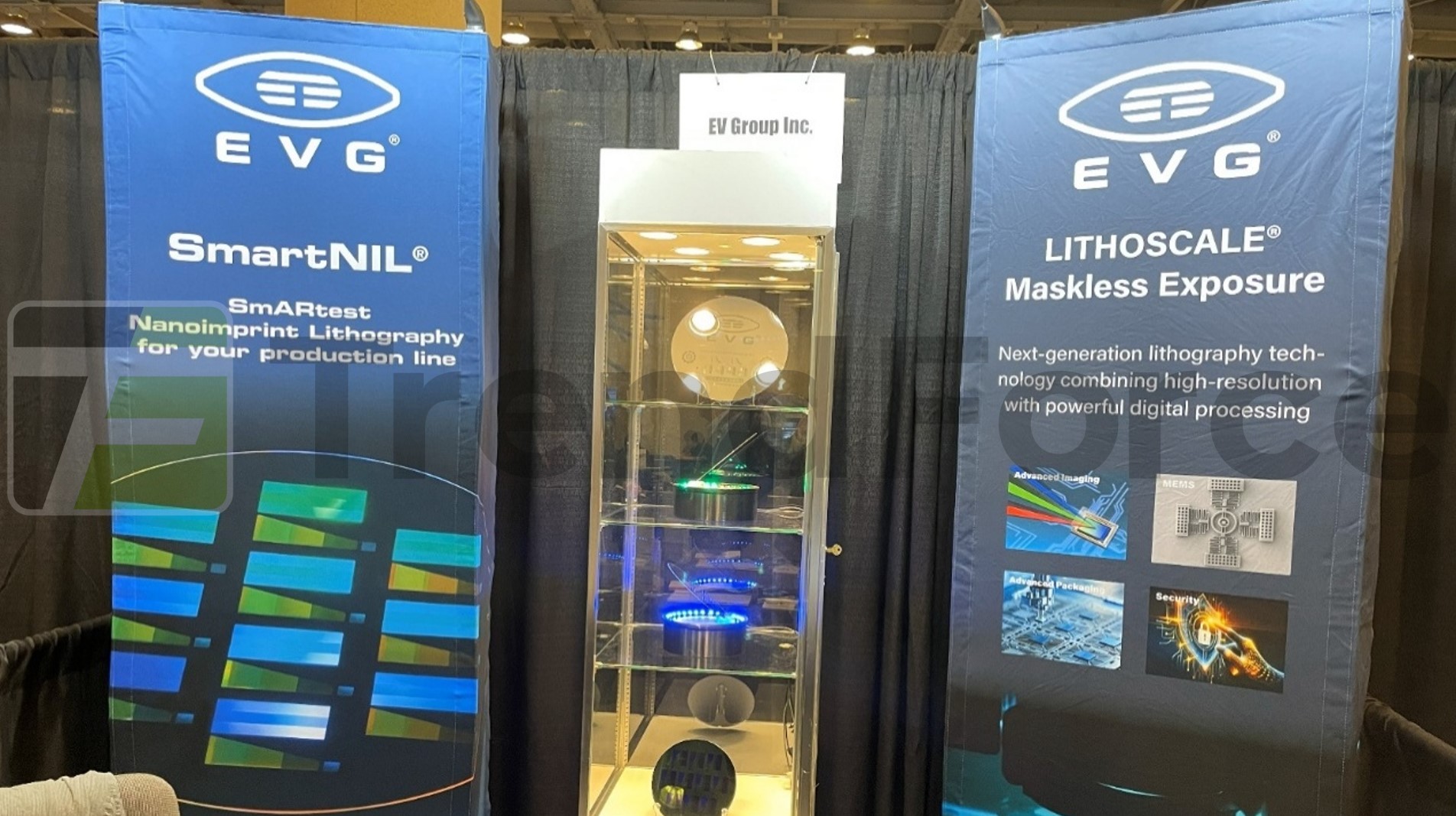
Instrument System introduces the LumiTop X30 AR, optimized for near-eye display testing, enabling precise measurement of user-perceived color and brightness. Optimized camera field of view, superior clarity, high pixel density (PPD), multiple pupil sizes, and focus distances make it suitable for a wide range of testing scenarios. The external pupil design of the lens ensures easy access to near-eye displays, whether in a fully assembled head-mounted device or at the module level.
NIL Technology
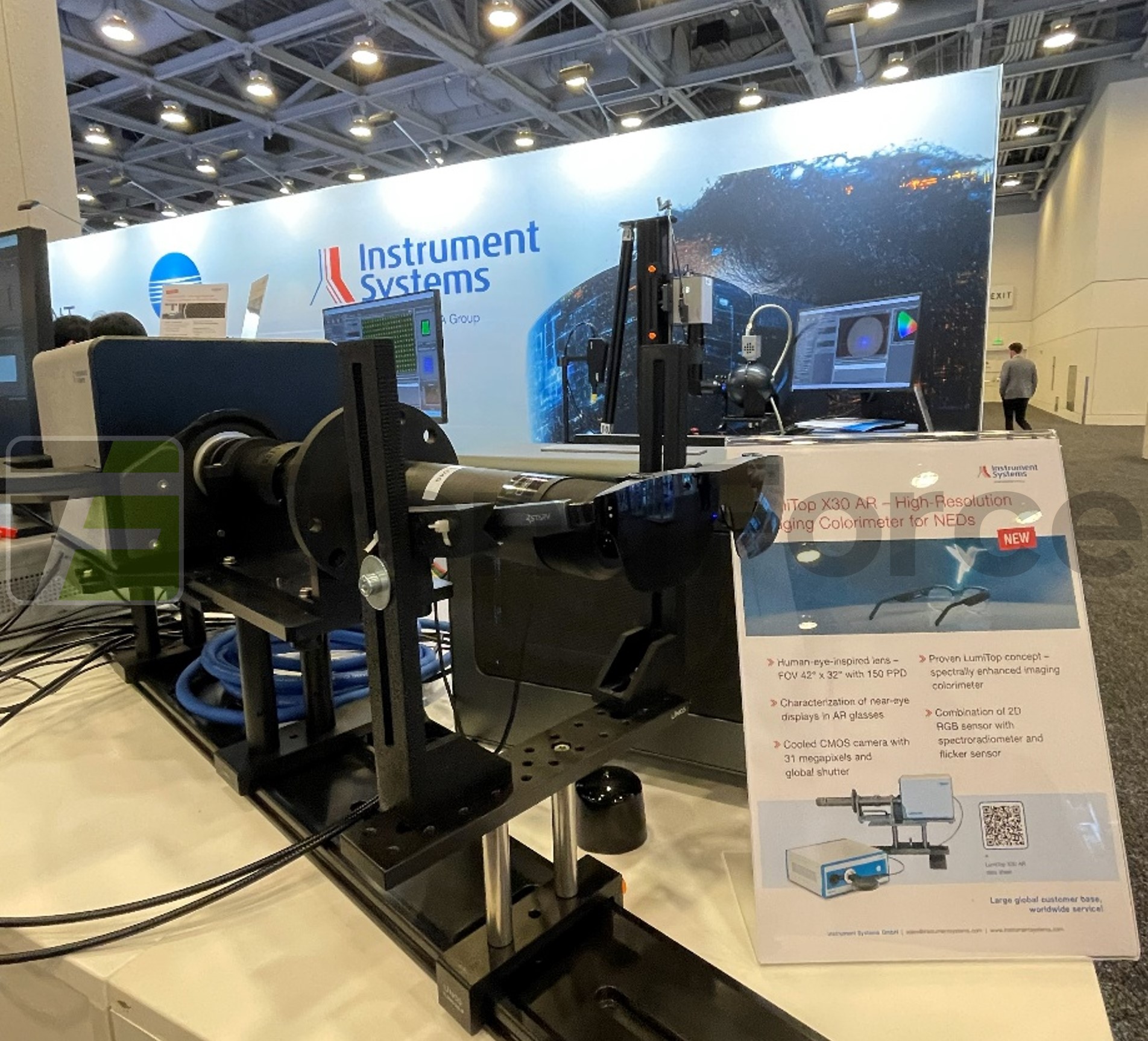
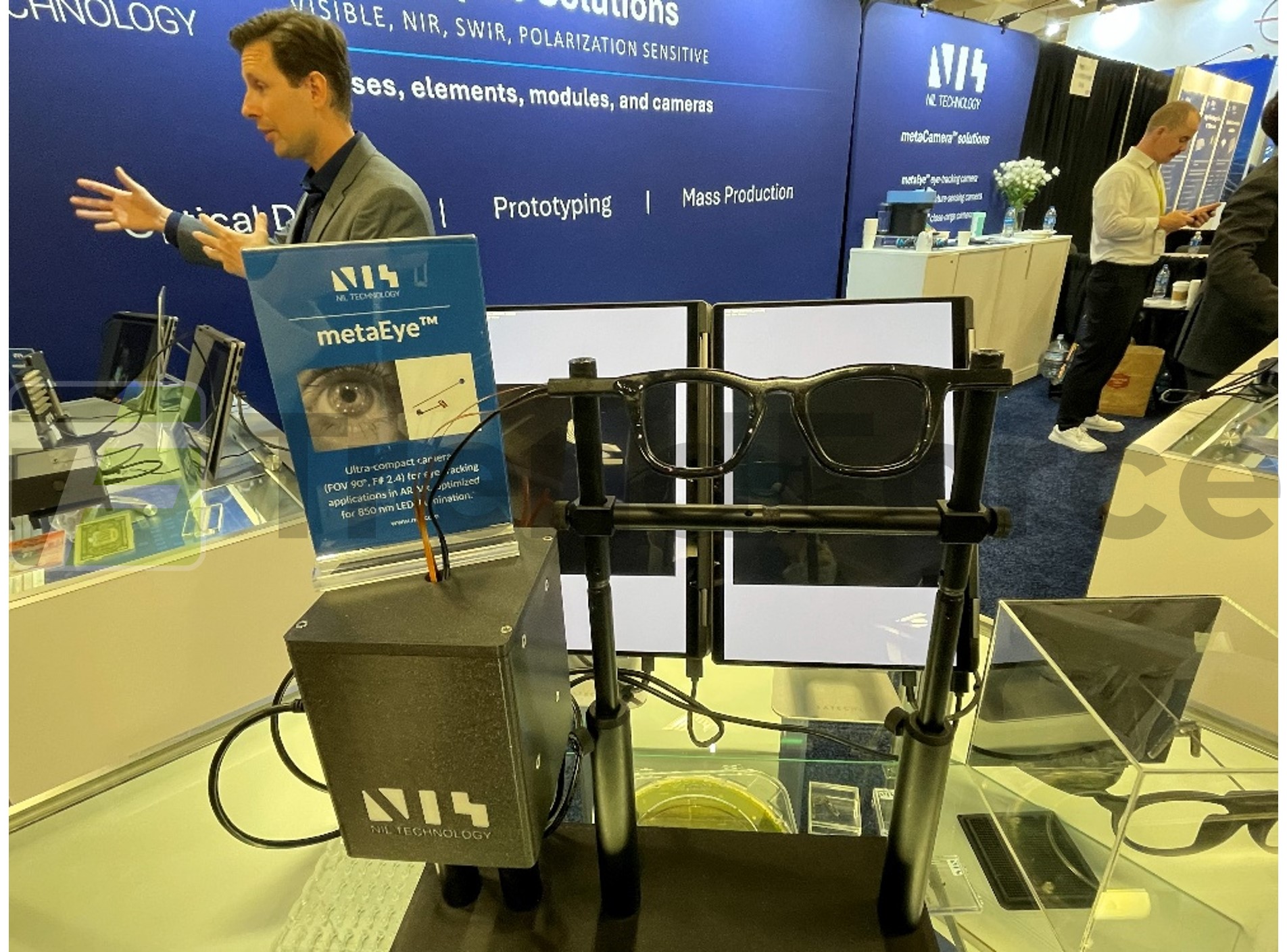
The miniaturization of eye-tracking devices is also a crucial trend in AR devices. NIL Technology has developed miniature infrared cameras (metaEye) made only using only MOEs that provide excellent image quality suitable for both eye tracking and iris recognition. The metaEye cameras modules are commercially available.
Topic Four: Optical Communications
ASMPT
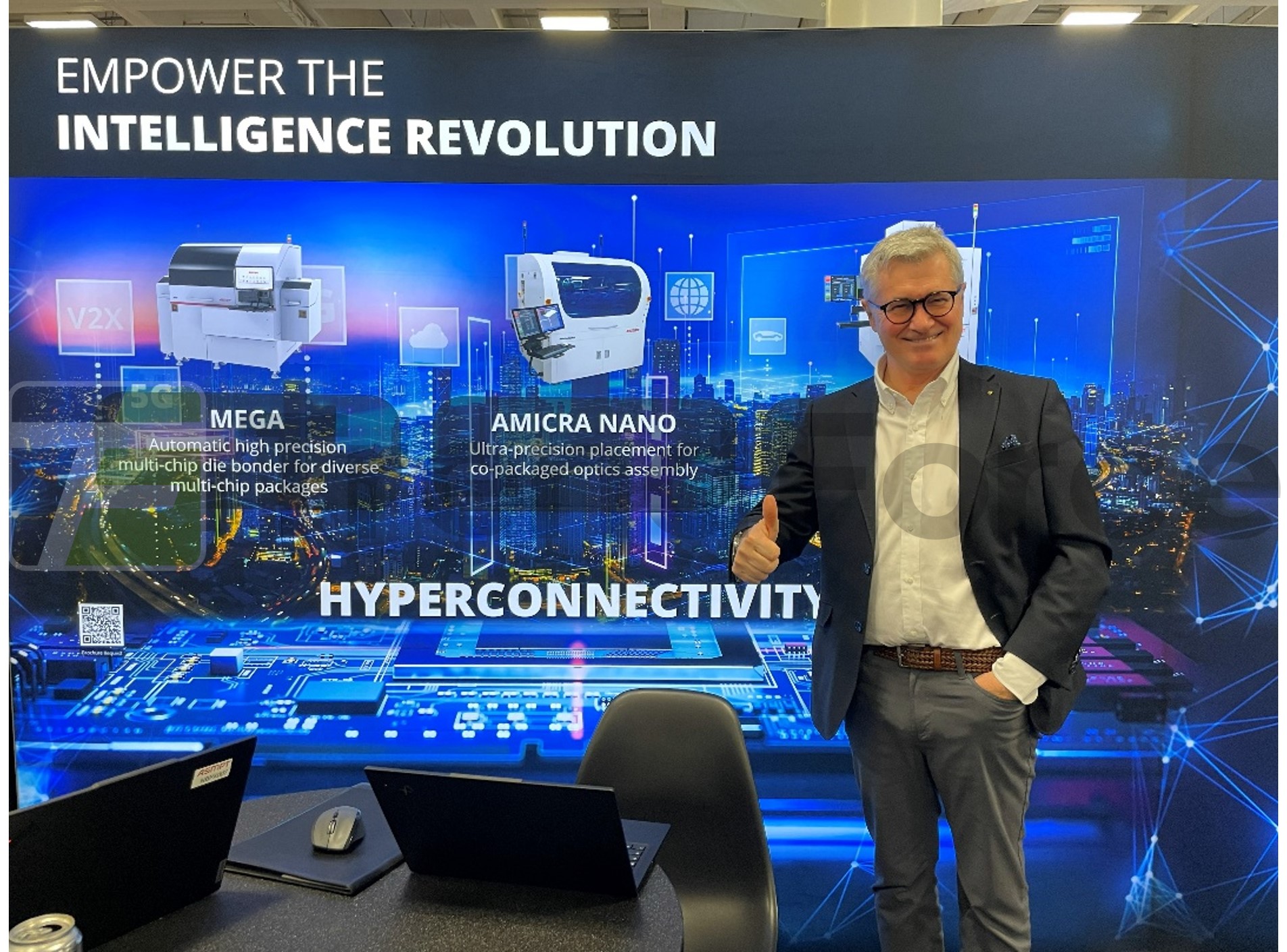
To meet the needs of customers in optical communications and SiPh CPOs, ASMPT offers the MEGA die bonder for optical transceivers, with XY accuracy of ±2µm @ 3σ. SiPh CPO customers require NANO and NOVA, with XY accuracies of ±0.2µm @ 3σ and ±1µm @ 3σ, respectively.
Chroma
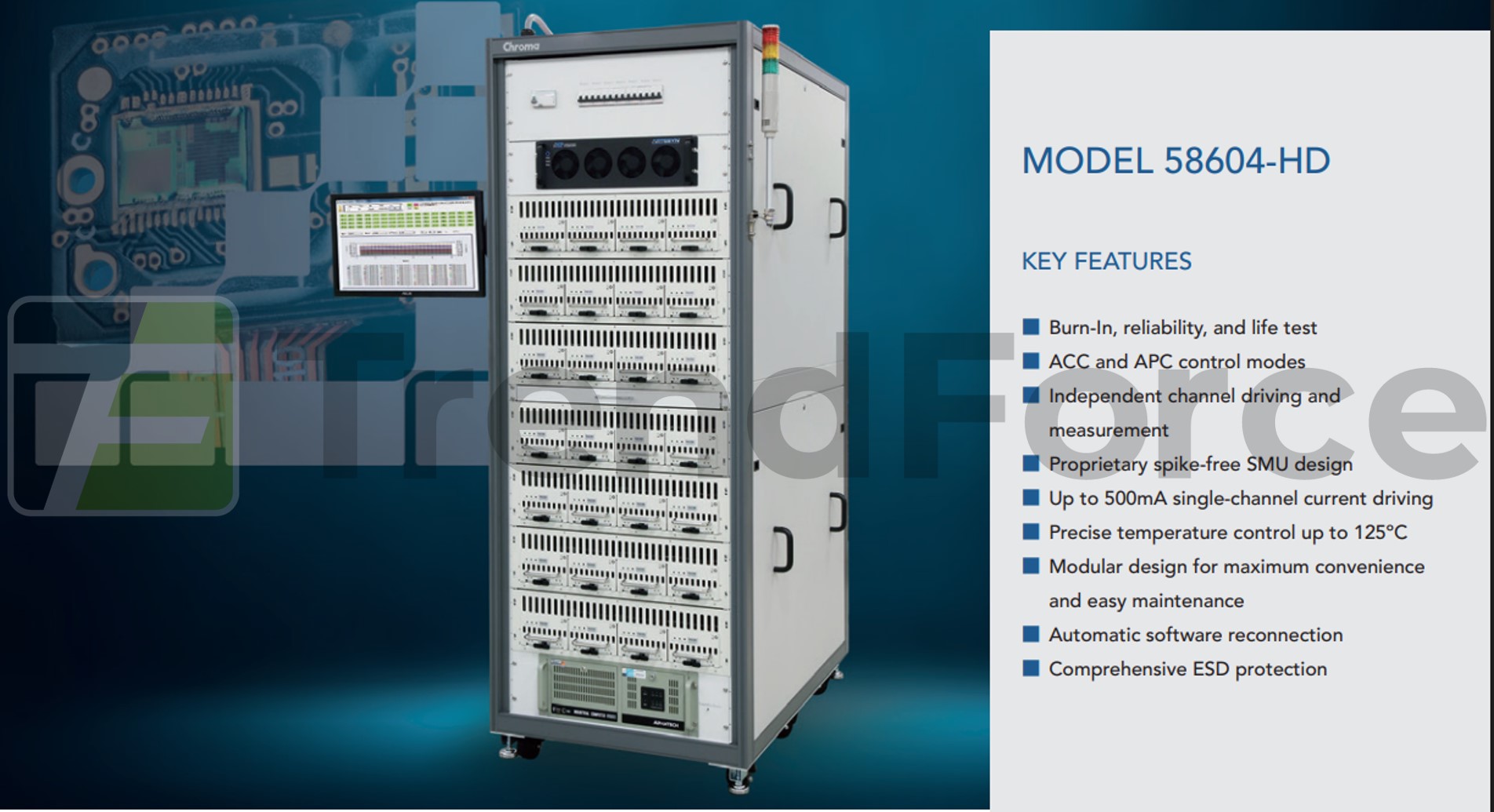
The optical communications market has extremely stringent requirements for laser reliability. Cloud service providers (CSPs) require laser diodes to pass 24-48 hour burn-in testing and 100% sorting. Chroma has launched the Model 58604-HD to meet the requirements of the optical communications and SiPh CPO markets.
Author: Joanne / TrendForce
TrendForce 2025 Deep UV LED Market Trend and Product Analysis
Release: 31 March, 30 September 2025
Language: Traditional Chinese / English
Format: PDF / EXCEL
Page: 50-60 / Semi-Annual
TrendForce 2026 Infrared Sensing Application Market and Branding Strategies
Release: 01 January 2026
Format: PDF / EXCEL
Language: Traditional Chinese / English
Page: 168
TrendForce 2025 Near-Eye Display Market Trend and Technology Analysis
Publication Date : 29 August 2025
Language : Traditional Chinese / English
Format : PDF
Page Number: 168
If you would like to know more details , please contact:


